

Design Korea #0 Recap: Figma MCP, UX intuition, and a packed first design night in Seoul
이 글은 한국어로도 제공됩니다.한국어로 읽기 →
Want to feel what the night was like? From the talks to the networking and everything in between, here's a quick trailer of Design Korea #0 🎥.
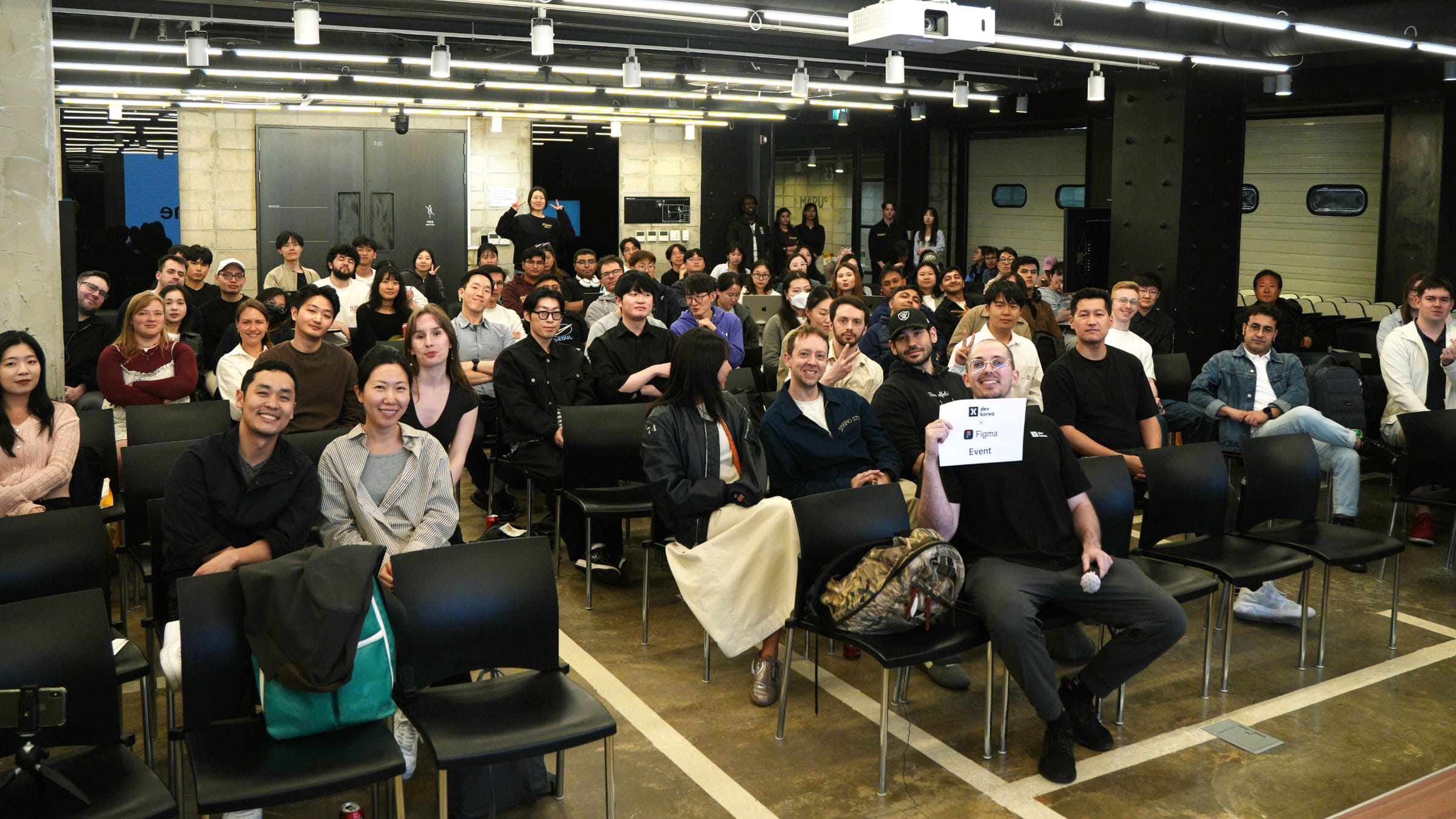
On April 23, we hosted Design Korea #0, our very first design-focused Dev Korea event, bringing together 110+ designers, developers, founders, and builders in Seoul.
Made possible with the support of Figma, the event focused on a simple idea:
Great products are not built by design or engineering alone.
They are built when designers, developers, and product people understand each other better.
With two practical talks, Figma swag, food, and a packed room full of energy, Design Korea #0 showed that there is strong demand for English-friendly design and product conversations within Korea’s international tech community.
Building, learning, and connecting in Seoul
From the moment doors opened, the venue quickly filled up.
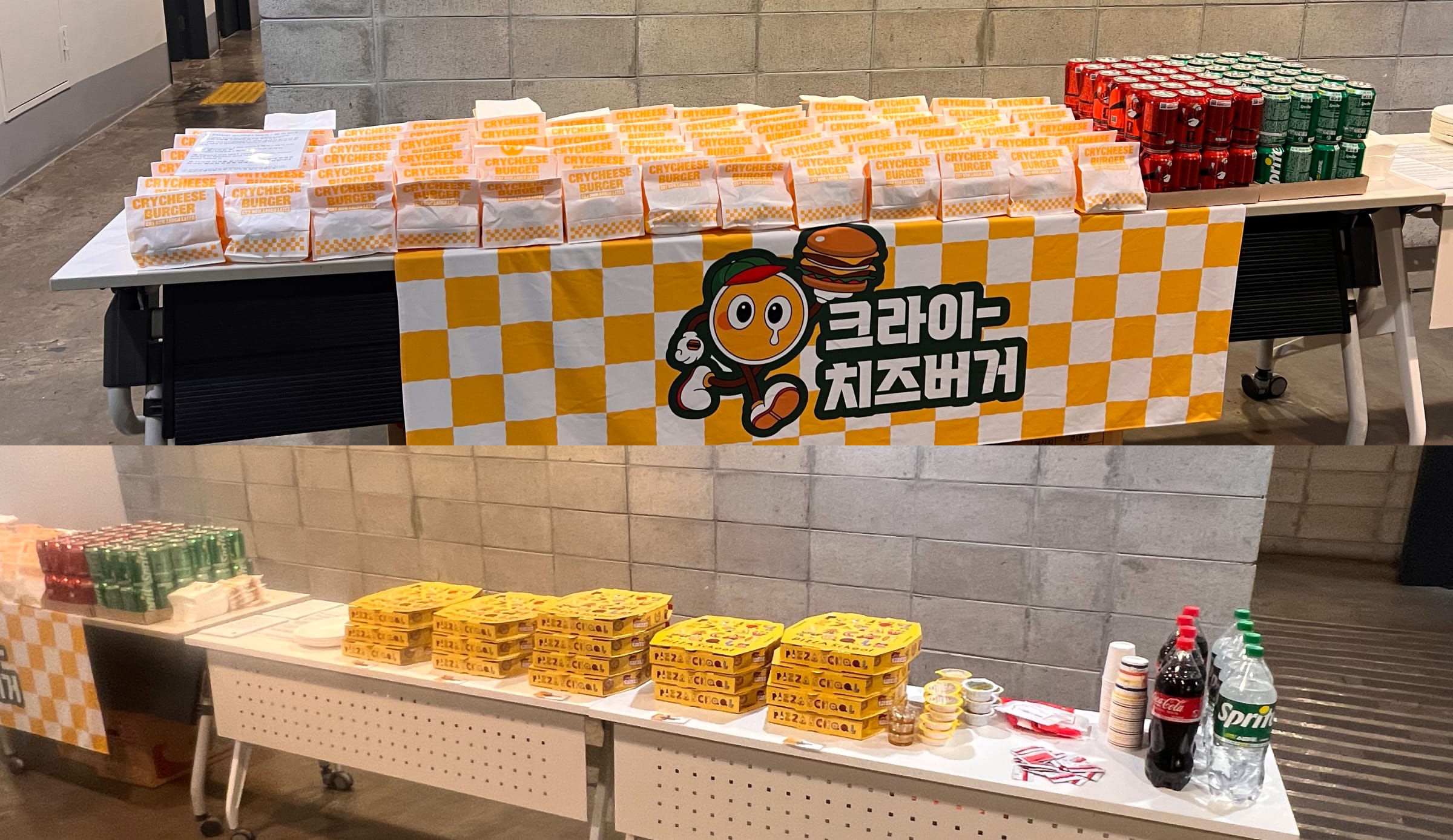
We kicked things off with check-in, food, and the usual relaxed Dev Korea atmosphere:
- designers meeting developers
- developers asking about design workflows
- people sharing what they are building
- new members joining the community for the first time
- familiar faces reconnecting
As always, the event was English-friendly and welcoming.
Don't worry about perfect English. Many attendees speak Korean too.
Come as you are. We're here to learn and connect together.
Figma MCP: When designers ship working prototypes, not frames
The first talk was by Inès Gruhier, founder of Odubu Design, a one-person design studio focused on UX/UI, design systems, branding, illustration, and product prototyping.
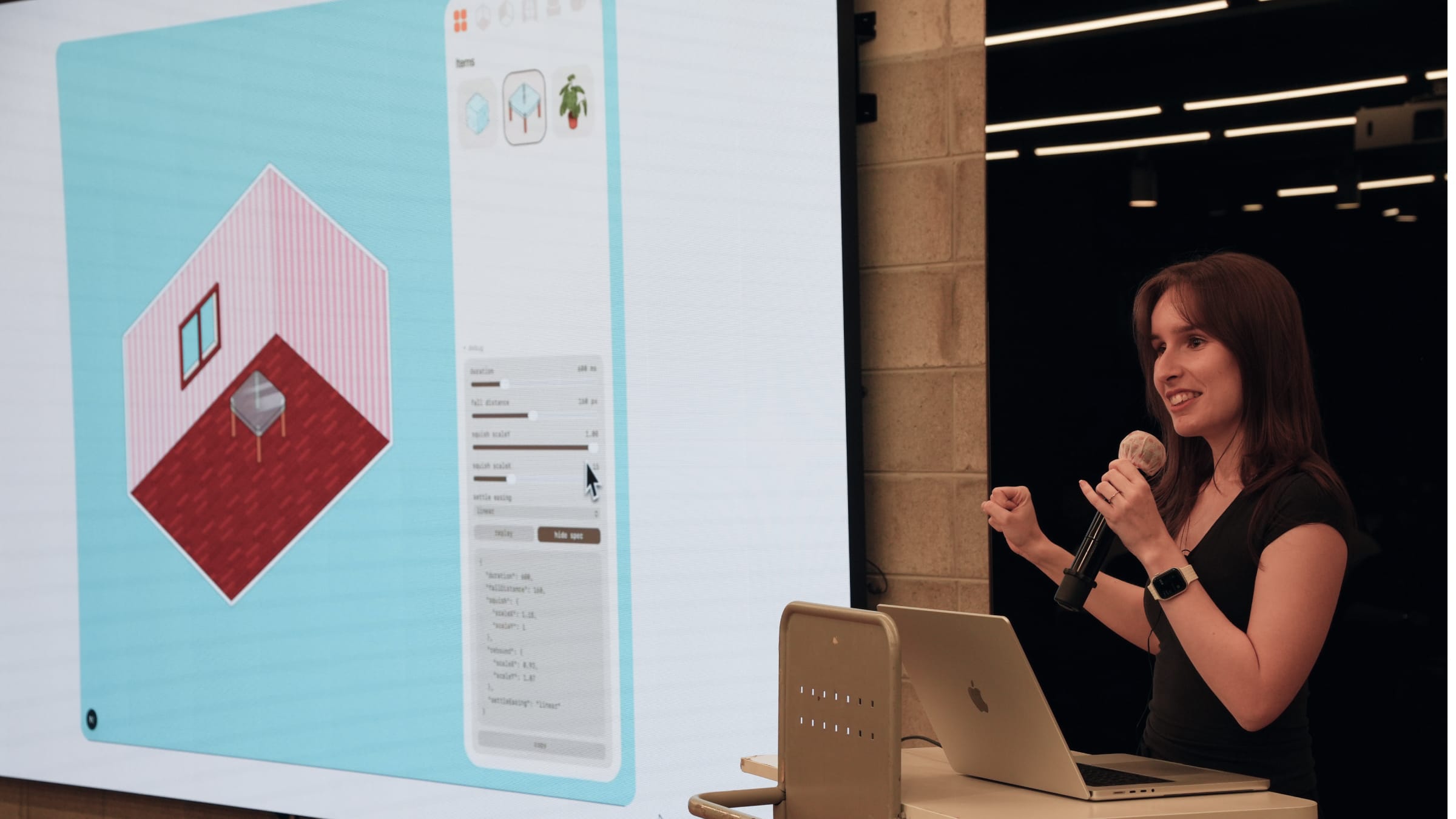
Her session focused on one of the most common sources of friction between designers and developers: the gap between what is designed in Figma and what actually gets implemented.
As Inès explained, the issue is not always a lack of skill on either side.
Designers and developers are often working with different tools, different mediums, and different assumptions. Figma shows what something should look like. Code shows how it should behave. And somewhere in that gap - between static mockups and actual interaction -miscommunication happens.
Inès showed how Figma MCP, combined with Claude Code, can help bridge that gap by letting AI read Figma files, understand the design system, color tokens, variables and layers, and use that to generate prototypes.
Instead of handing over static frames or long annotations, designers can create interactive prototypes that developers can inspect, test, and reference.
The session covered:
- Building an interactive debug panel to fine-tune a toggle animation
- Prototyping physics-based item drop animations for My Tiny Room that would be tedious to mock in Figma
- How she used Figma MCP to audit Bloxley's design system against the live codebase, surfacing mismatches and edge cases that existed on both the design and dev side
- Best practices for structuring Figma files so AI agents can interpret them correctly
One of the strongest takeaways was that this workflow does not replace designers or developers.
It changes the collaboration from interpretation to refinement.
Designers can finally show instead of tell, and developers can build from something real instead of guessing.
With AI handling the handoff, that shift lets both sides focus on what actually matters: making something that works, together.
From hypothesis to prototype: A solo designer's survival story
The second talk was by Anna Kim, a designer currently at Match Group, who shared a raw and honest story from her time as the solo designer at an early-stage AI startup.
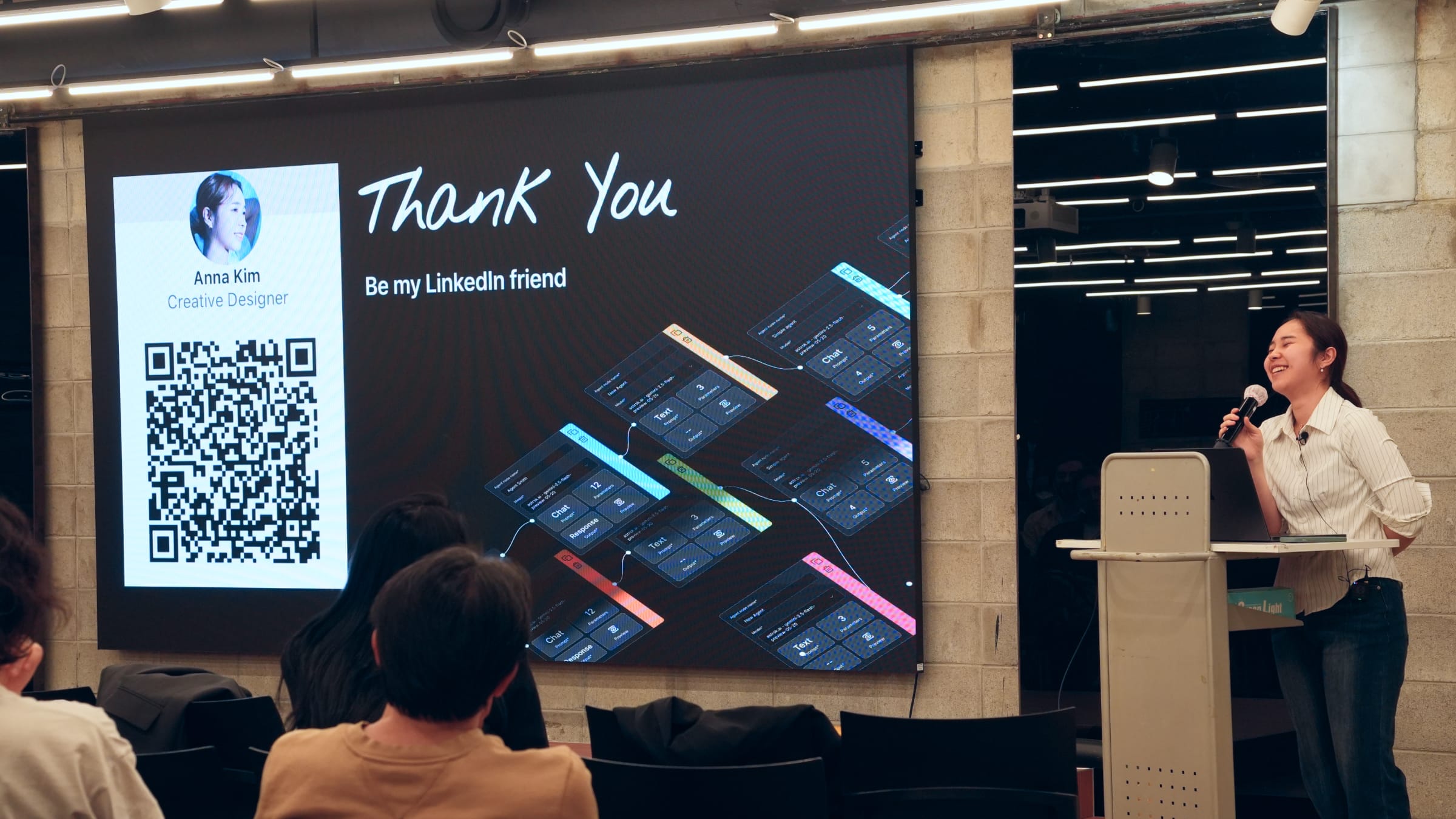
Her talk was not about a perfect design process.
It was about survival.
Anna walked through how she helped rebuild an LLM app from scratch in 10 months, without a mentor, without an established design process, and with very little time.
At first, she expected to apply the textbook design process:
- user research
- personas
- journey maps
- structured brainstorming
- the classic double diamond
But startup reality looked very different.
There was too much ambiguity, too much raw feedback, and not enough time.
So instead of following the process exactly, Anna built her own.
She lived inside Reddit and Discord, tracked competitors, read user comments, DM'd users for quick interviews, and used AI to help categorize messy feedback into patterns her team could actually use.
Her key point was simple but powerful:
Intuition is not blind guessing.
It is the ability to make fast, informed decisions when you are deeply immersed in your users' reality.
That intuition led her to a major product decision: moving away from a simple chat interface and toward a node-based system that gave technical users more control over AI models, sessions, and workflows.
The session covered:
- how to survive as a junior solo designer in a fast-moving startup
- how to turn messy Discord and Reddit feedback into usable product insight
- why user intuition can become stronger when it is fed by raw data
- how prototypes can create alignment faster than long debates
- why designers sometimes need to skip parts of the textbook process and adapt to reality
Anna's talk was especially memorable because it was honest.
It showed the messy, uncomfortable, high-pressure side of design work that does not always appear in polished case studies.
Design and engineering belong in the same room
Compared to previous Dev Korea events, this one had a different energy.
The audience included many designers, but also plenty of developers, founders, and product-minded builders.
That mix made the conversations especially interesting.
Throughout the evening, people talked about:
- AI-assisted design workflows
- Figma MCP and code handoff
- how designers and developers can reduce miscommunication
- how to prototype faster
- how to use data without losing creativity
- how junior designers can grow in fast-moving teams
The level of engagement made one thing clear:
Design is not separate from tech.
It is part of how great products get built.
Figma swag, networking, and hallway conversations
Of course, the Figma swag also helped bring extra excitement to the evening.
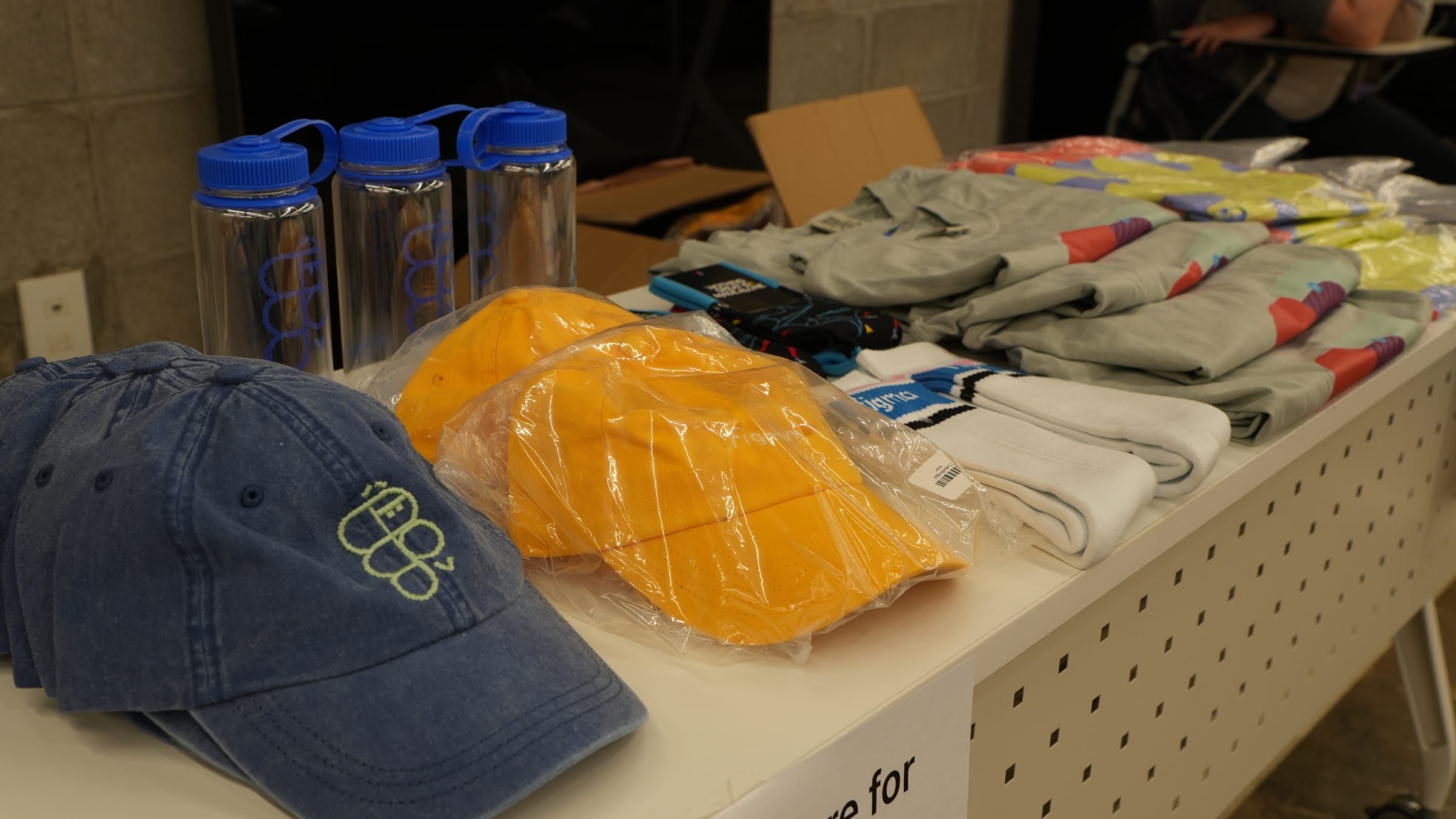
But beyond the bottles, caps, tees, pins, and raffle prizes, the best part was still the people.
After the talks, attendees stayed to ask questions, meet new people, and continue the conversations that started during the sessions.
These informal conversations remain one of the most valuable parts of every Dev Korea event.
Huge thanks
This event would not have been possible without:
- Our speakers, Inès Gruhier and Anna Kim, for sharing practical, honest, and highly valuable design stories
- Figma for supporting the event and providing amazing swag
- BizCrush for supporting real-time English to Korean translation
- Maru by Asan Nanum Foundation for hosting us
- Cry Cheeseburger for providing delicious burgers for the attendees
- All the volunteers who helped make this event a success: Bertijn, Brian, Sonali and Suhyun but also everyone who made everything flow seamlessly from start to finish
- All 110+ attendees who filled the venue and brought great energy
Seeing the room packed for our first design-focused event was both surprising and incredibly motivating.
What's next
Design Korea #0 confirmed that there is strong demand for practical, community-driven design events in Seoul.
We'll keep bringing more events focused on real-world topics across engineering, design, product, startups, AI, and beyond.
Explore upcoming events: dev-korea.com/events
Want to stay connected?
- Follow us on LinkedIn: linkedin.com/company/dev-korea
- Follow us on X: x.com/dev_korea
- Watch previous talks: dev-korea.com/talks
- Join our Discord server: discord.gg/hqzMbuXy73
- Subscribe to the Weekly Dev Korea Digest Newsletter: dev-korea.com/newsletter
Here’s to more nights of learning, building, and meaningful community in Seoul. ✨
Ready for your next move?
Visit Dev Korea to explore the latest job openings at dev-korea.com/jobs, or if you're hiring, post a job at dev-korea.com/post-a-job and connect with our growing international tech community.